Introduction
Rodents are often considered one of the most challenging pests to control in both residential and commercial settings. The connection between sanitation and effective rodent control is pivotal for any comprehensive pest management strategy. Understanding how cleanliness influences rodent behavior can lead to more effective prevention methods, whether you’re a homeowner or a business owner looking to protect your assets. This article delves deep into the intricate relationship between sanitation practices and rodent control, emphasizing insights from leading experts in the field, including prominent Rodent Control Companies like Rodent Control Inc.
The Connection Between Sanitation and Effective Rodent Control
When it comes to rodent control, sanitation plays a crucial role that cannot be overstated. Poor sanitation creates an inviting environment for rodents, providing them with food, water, and shelter—all essential components for their survival. Cleanliness acts as the first line of defense against these unwelcome guests by removing potential attractants.
Understanding Rodents: Behavior and Habitats
Rodent Species Commonly Found in Urban Areas
Urban environments host various rodent species, such as:
- House Mouse (Mus musculus): Known for their adaptability and quick reproduction. Norway Rat (Rattus norvegicus): Larger than house mice, these rats prefer burrowing. Roof Rat (Rattus rattus): These nimble climbers often invade higher structures.
Each species has unique behaviors that influence their nesting habits and feeding preferences.
Rodents' Survival Instincts
Rodents possess remarkable survival instincts that drive them to seek out environments rich in food sources. They have keen senses of smell that help them locate food from a distance. Thus, any leftover scraps or spills can serve as an open invitation for infestation.
Sanitation Practices That Deter Rodents
1. Regular Cleaning Routines
Establishing a Rodent Control Company robust cleaning schedule is crucial. Regularly sweeping floors, wiping down surfaces, and disposing of garbage can drastically reduce food sources available to rodents.
2. Proper Food Storage Techniques
Food should be stored in airtight containers made from materials resistant to gnawing. This prevents rodents from accessing food supplies easily.
3. Waste Management Solutions
Implementing proper waste management practices ensures that trash bins are sealed tightly and emptied regularly—making it harder for rodents to find easy meals.
4. Eliminating Clutter
Reducing clutter around your premises not only makes spaces look more organized but also decreases potential nesting sites for rodents.
The Role of Professional Pest Control Services
Why Choose a Rodent Control Company?
While personal sanitation efforts are vital, enlisting the help of a professional rodent control company can provide additional expertise in managing infestations effectively.
Expertise in Identification
A trained technician can identify specific types of rodents present and understand their behavioral patterns more accurately than an untrained eye.
Implementation of Integrated Pest Management (IPM) Strategies
Many reputable companies like Rodent Control Inc. utilize IPM strategies that combine sanitation efforts with traps, baiting systems, and exclusion techniques to create a comprehensive rodent management plan.
Sanitation vs. Chemical Treatments: What Works Best?
There’s often debate about whether sanitation alone is sufficient for effective rodent control or if chemical treatments must play a role too.
Advantages of Sanitation Over Chemicals
- Safer for children and pets. Environmentally friendly approach. Long-term solution rather than temporary fix.
However, combining sanitation practices with targeted chemical treatments may yield faster results when dealing with severe infestations.
Common Misconceptions About Sanitation and Rodents
Misconception 1: Only Dirty Places Get Infested
Many believe that only filthy environments attract rodents; however, even clean homes can face infestations if entry points are not secured.

Misconception 2: A Single Cleaning Session Is Enough
One-time cleaning efforts will not suffice; ongoing maintenance is crucial in preventing future infestations.
FAQs About Rodents and Sanitation
1. How often should I clean my home to prevent rodents?
Regular cleaning should be done at least once a week with thorough deep cleaning monthly.
2. Can I eliminate rodents just through sanitation?
While good hygiene significantly reduces the risk, severe infestations may require professional intervention from a rodent control company like Rodent Control Inc.
3. Are there specific areas I should focus on while cleaning?
Best Rodent Control Company Yes! Pay special attention to kitchens, dining areas, basements, attics, and garages where food debris might accumulate or where shelter could be found.
4. What steps can I take if I see signs of rodent activity?
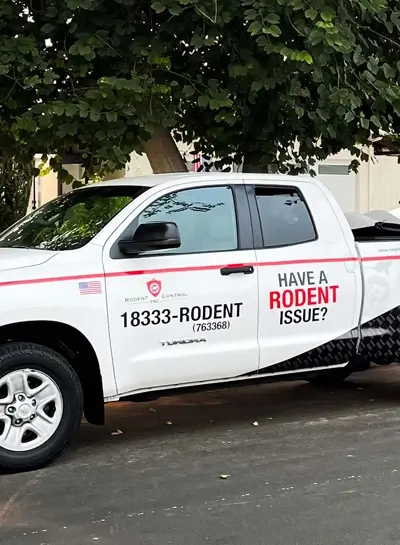
Contact a pest control expert immediately for inspection while ensuring you maintain cleanliness around your home or business premises.
5. Do essential oils repel rodents effectively?
Some essential oils like peppermint may act as natural deterrents but should not replace comprehensive pest management strategies involving sanitation and professional services.
6. How do I know if my current pest control measures are effective?
Regular inspections by professionals can help monitor progress; signs such as droppings or gnawed materials indicate continued activity necessitating further action.
Conclusion
The connection between sanitation and effective rodent control is clear; maintaining cleanliness is your first step toward creating an environment less hospitable to these persistent pests. By adopting strict sanitary practices alongside professional aid from companies like Rodent Control Inc., you’re well on your way to ensuring your space remains free of unwanted visitors.
Being proactive about sanitation not only protects your health but also preserves property value—saving you potential headaches down the line! So why wait? Take charge today!